Every medicine passes through multiple controlled stages before becoming a finished pharmaceutical product. A professional pharmaceutical manufacturer must coordinate materials, equipment, processes, personnel, testing, documentation, and packaging while maintaining consistency from one production batch to another.
Understanding these stages can help pharmaceutical companies in Delhi make better decisions when evaluating potential manufacturing partners.
Pharmaceutical Production Begins Before Manufacturing
Production does not simply begin when ingredients enter manufacturing equipment.
Preparation may involve reviewing specifications, planning raw material requirements, checking approved documentation, preparing equipment, and establishing the manufacturing instructions applicable to the product.
These preliminary controls help create a structured production environment.
Raw Materials Require Proper Management
The quality of a finished pharmaceutical product is closely connected with the materials used during manufacturing.
A structured system may involve procedures covering:
- Material receipt
- Identification
- Storage
- Sampling
- Testing
- Status control
- Issuance for production
- Inventory tracking
Appropriate procedures depend on the material type and applicable regulatory requirements.
Manufacturing Requires Process Control
Different dosage forms require different production processes.
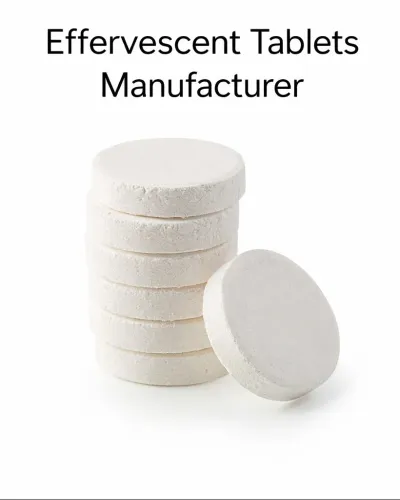
Tablet manufacturing, for example, may involve blending, granulation, compression, and coating depending on the formulation. Capsules require appropriate filling processes, while semi-solid products involve different mixing and filling requirements.
Each production stage needs defined operating parameters and appropriate controls.
Documentation Creates Traceability
Documentation is one of the most important elements of pharmaceutical manufacturing.
Production records help establish what happened during a batch, including materials used, processing stages, relevant observations, and other required information.
Effective documentation supports traceability and helps manufacturers investigate deviations when they occur.
Packaging Is Part of Product Quality
Packaging should not be viewed simply as branding.
The selected packaging system may need to protect the product against factors such as moisture, contamination, light, handling, and environmental exposure depending on the formulation.
Packaging materials must therefore be considered alongside product characteristics, storage requirements, and intended distribution conditions.
Consistency Matters Across Multiple Batches
Producing one acceptable batch is different from maintaining controlled production repeatedly.
Pharmaceutical brands depend on manufacturing systems capable of delivering consistent outcomes across ongoing production cycles. This becomes particularly important when a business expands its distribution network or increases order quantities.
Companies supplying products from Delhi into neighbouring NCR markets and other regions should consider how effectively a potential manufacturing partner manages repeat production.
Quality Depends on an Integrated System
There is rarely one individual activity responsible for pharmaceutical quality.
Instead, quality depends on the interaction between people, processes, materials, equipment, facilities, testing, documentation, storage, and management systems.
This is why businesses assessing Monique Pharmaceuticals Pvt Ltd or any other manufacturing company should examine the overall production approach rather than focusing on a single capability.
Understanding how pharmaceutical manufacturing actually works gives brands a stronger basis for asking meaningful questions and evaluating potential production relationships.
Keywords