Building a pharmaceutical brand involves much more than developing a product and putting it on the market. Companies must consider formulation requirements, manufacturing capacity, quality systems, packaging, documentation, production planning, and supply continuity. This is where a contract pharma manufacturer can become an important part of the pharmaceutical supply chain.
For pharmaceutical companies and healthcare businesses in Delhi, working with an experienced manufacturing partner can provide access to production capabilities without requiring investment in a complete manufacturing facility.
What Does Contract Pharmaceutical Manufacturing Involve?
Contract pharmaceutical manufacturing is an arrangement in which a pharmaceutical business engages a manufacturing company to produce selected products according to agreed specifications.
Depending on the project, manufacturing support may include:
- Product formulation and development
- Raw material planning
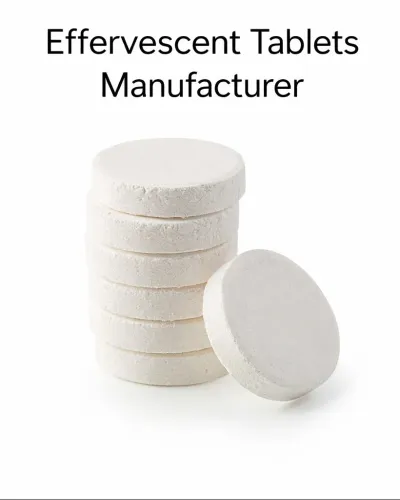
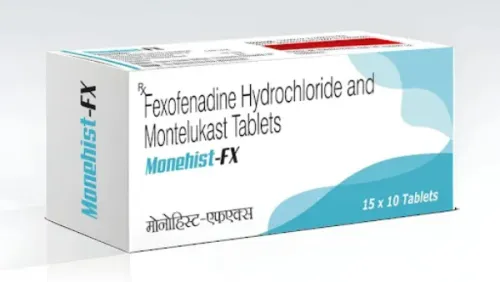
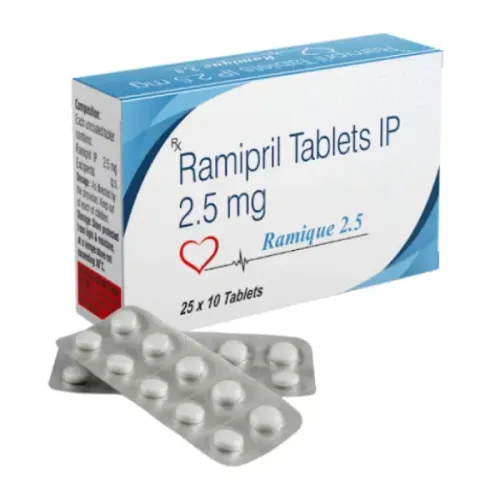
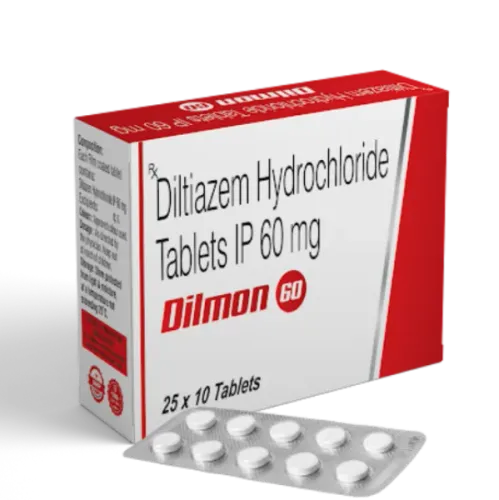
- Tablet and capsule production
- Batch manufacturing
- Packaging support
- Quality-related documentation
- Production scheduling
- Commercial-scale manufacturing
The exact scope depends on the product category and the responsibilities agreed between the brand and manufacturer.
Why Pharmaceutical Businesses Use Contract Manufacturing
Establishing an in-house pharmaceutical manufacturing facility requires significant infrastructure, technical expertise, equipment, personnel, compliance systems, and ongoing operational management.
Contract manufacturing allows businesses to focus resources on activities such as product strategy, distribution, marketing, sales, and market expansion while manufacturing is handled by a specialized production partner.
It can be particularly useful for growing companies that want to introduce additional products without immediately expanding their own production infrastructure.
Manufacturing Capacity Can Influence Growth
A pharmaceutical brand may begin with relatively modest production requirements. As distribution expands, however, demand can increase significantly.
A suitable manufacturing partner should be capable of discussing both present production requirements and potential future volumes. Capacity planning becomes especially important for brands serving distributors across Delhi, the National Capital Region, and other Indian markets.
Unexpected production limitations can affect inventory availability and distribution schedules. Businesses should therefore consider manufacturing scalability before finalizing long-term arrangements.
Communication Is an Important Part of the Relationship
Contract manufacturing involves ongoing coordination between the brand and production team.
Important discussions may cover formulation specifications, batch quantities, packaging requirements, production schedules, documentation, and dispatch planning.
Clear communication reduces misunderstandings and helps both parties work according to agreed expectations.
Quality Systems Matter Throughout Production
Pharmaceutical manufacturing requires controlled processes rather than simply producing large quantities efficiently.
Businesses evaluating manufacturing arrangements should understand how the manufacturer approaches raw material handling, production controls, testing, documentation, hygiene, storage, and finished-product release procedures relevant to the product category.
Quality should be evaluated as a complete system rather than through one certificate or individual production step.
Why Location Can Still Be Relevant
Delhi is a major commercial and distribution centre with connections to pharmaceutical businesses, healthcare companies, distributors, logistics providers, and markets across North India.
For companies operating from Delhi, practical coordination with a manufacturing partner can help with production planning, documentation exchange, packaging decisions, and supply management.
Location should not be the only selection factor, but logistical convenience and communication accessibility can contribute to an efficient working relationship.
A Manufacturing Partnership Should Support Long-Term Planning
Contract manufacturing works best when both sides clearly understand specifications, responsibilities, expected quantities, quality requirements, and timelines.
Monique Pharmaceuticals Pvt Ltd operates within the pharmaceutical manufacturing sector and can be considered by businesses evaluating contract manufacturing requirements.
For pharmaceutical brands, the broader lesson is simple. A contract manufacturing relationship should be assessed not merely as a way to produce a batch, but as an operational partnership capable of supporting consistent product supply as the business develops.
Keywords