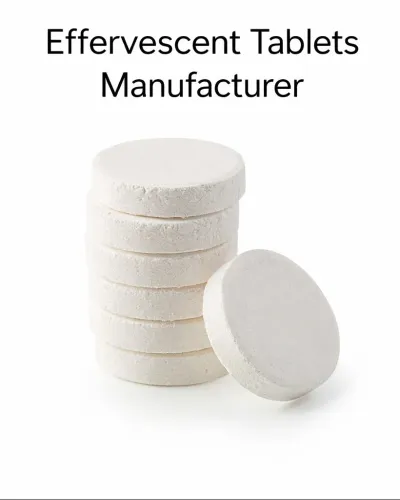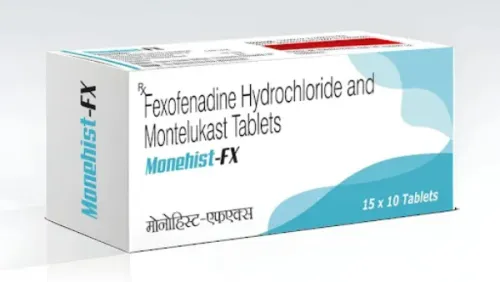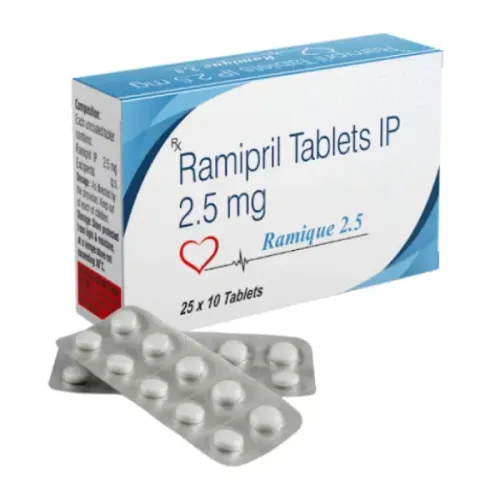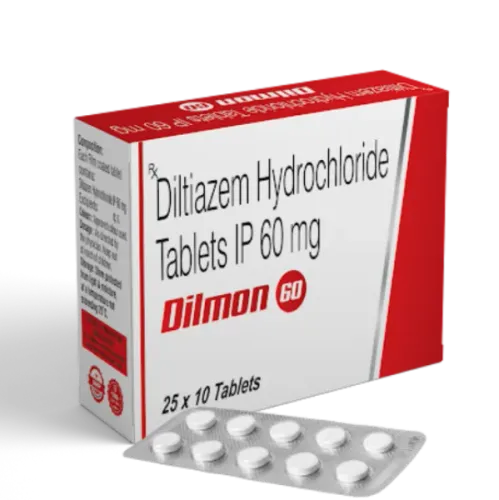

Nutraceutical products occupy a growing space between everyday nutrition and specialized wellness categories. Tablets, capsules, powders, sachets, and other formats allow brands to develop products for different consumer requirements.
Behind every finished product, however, there must be appropriate formulation, manufacturing, packaging, and quality planning. Choosing a capable nutraceutical manufacturer is therefore an important consideration for businesses entering this market.
Nutraceutical Development Starts With Product Definition
Before production begins, the brand needs a clear concept.
Important questions include:
- What product format is intended?
- Who is the target consumer?
- Which ingredients are being considered?
- What serving format is planned?
- What packaging is required?
- What production quantity is commercially practical?
Answering these questions creates a stronger foundation for technical discussions.
Ingredient Compatibility Requires Attention
Combining multiple ingredients does not automatically create a commercially practical formulation.
Ingredients can have different physical characteristics, stability considerations, tastes, moisture sensitivities, and processing requirements.
Manufacturing feasibility therefore needs to be considered alongside the product concept.
The intended dosage format also matters. A powder suitable for a sachet may require different characteristics from material intended for tablet compression or capsule filling.
Product Format Influences Manufacturing
Nutraceutical businesses can choose among multiple formats depending on the formulation and intended market.
Common formats may include tablets, capsules, powders, sachets, and selected specialized dosage forms.
Each requires different manufacturing and packaging considerations.
Brands should avoid selecting a format purely because it is currently popular. The chosen format should make sense technically, commercially, and from the intended consumer's perspective.
Packaging Supports Product Integrity
Packaging has both functional and commercial roles.
While branding and shelf appearance matter, packaging may also help protect the formulation during storage, transportation, and use.
Brands should consider product characteristics, intended shelf conditions, pack quantity, distribution model, and relevant regulatory requirements when evaluating packaging.
Commercial Quantities Need Realistic Planning
One challenge for new nutraceutical brands is balancing production economics with inventory risk.
Very large initial quantities may create unnecessary inventory exposure. Quantities that are too small may not always align with efficient commercial manufacturing.
Businesses should therefore discuss minimum production requirements and practical batch quantities before finalizing a launch plan.
This consideration can be especially important for emerging wellness companies in Delhi that intend to test regional demand before expanding into wider markets.
Documentation Should Be Discussed Early
Regulatory and documentation requirements vary according to product classification, ingredients, claims, and intended market.
Businesses should identify applicable requirements before finalizing the formulation and packaging rather than treating compliance as a last-stage activity.
This can reduce the risk of having to revise product concepts later.
Building a Practical Manufacturing Strategy
Monique Pharmaceuticals Pvt Ltd is part of the pharmaceutical manufacturing sector serving businesses evaluating production solutions.
For nutraceutical brands, successful manufacturing begins with realistic planning. Product concept, ingredients, dosage format, production quantity, packaging, applicable requirements, and distribution strategy should work together.
A strong manufacturing plan helps transform an interesting wellness concept into a product that can be produced consistently and supplied efficiently.
Keywords