Outsourcing pharmaceutical production can help businesses expand their portfolios without building additional manufacturing infrastructure. The quality of the arrangement, however, depends heavily on selecting the right third party pharmaceutical manufacturer.
For pharmaceutical brands and distributors in Delhi, evaluating manufacturers through a structured process can reduce operational uncertainty and help establish clearer expectations before production begins.
Start With Dosage Form Capabilities
A manufacturer may be experienced in one product category but not necessarily suitable for every dosage form.
Begin by checking whether the manufacturing facility handles the type of products your business intends to produce.
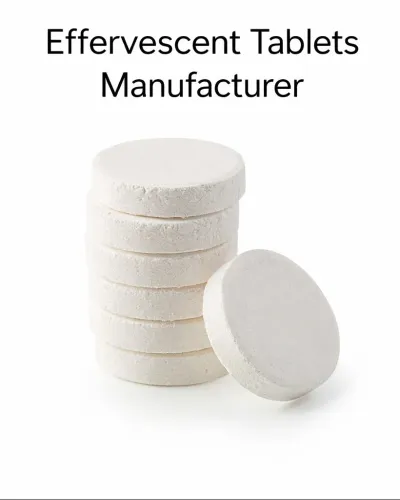
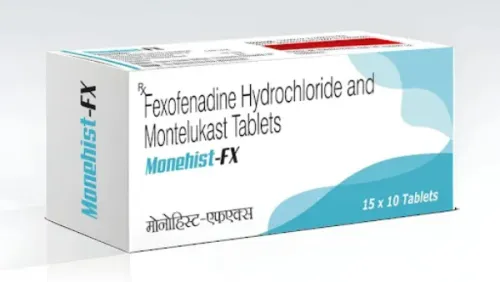
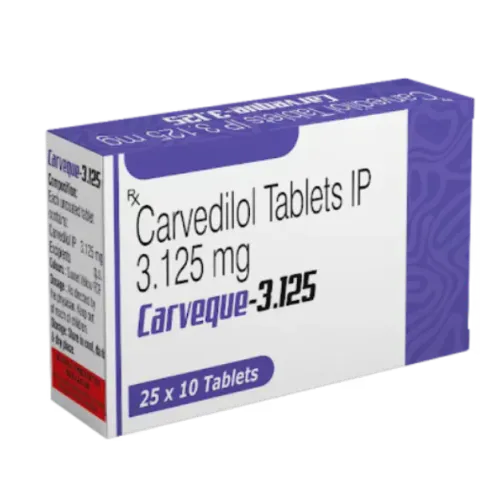
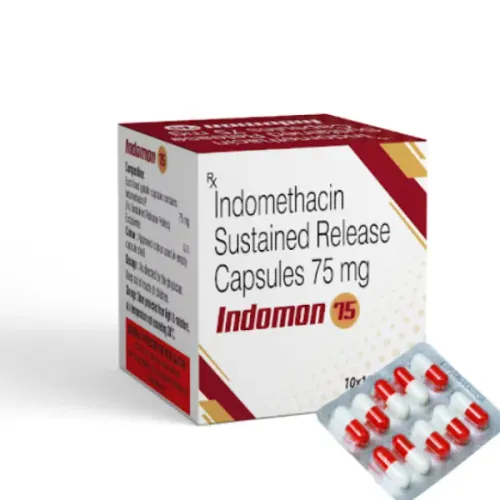
Depending on your portfolio, this may include tablets, capsules, sachets, effervescent products, ointments, or nutraceutical formats.
Relevant capability matters more than an unnecessarily long product list.
Review Quality Systems Carefully
Businesses should understand the systems used to manage manufacturing quality.
Questions can cover areas such as:
- Raw material handling
- Production controls
- Testing arrangements
- Batch documentation
- Equipment procedures
- Cleaning systems
- Finished-product handling
- Storage practices
Where certifications or regulatory approvals are relevant, verify current documentation directly rather than relying only on marketing statements.
Discuss Production Capacity
A manufacturer may be suitable for your current requirements but unable to support significant growth.
Ask about practical batch quantities, expected production timelines, capacity for repeat orders, and procedures for scheduling larger requirements.
For Delhi-based businesses supplying distributors across NCR and North India, reliable production planning can become increasingly important as the distribution network expands.
Understand Minimum Batch Requirements
Minimum order quantities can affect inventory, cash flow, and launch planning.
Before committing to a manufacturing relationship, determine the practical production quantity for each intended product.
This is particularly important for brands introducing multiple SKUs simultaneously. Manufacturing a large quantity of every product without established demand can create unnecessary stock exposure.
Evaluate Communication Quality
Technical capability is important, but communication quality can have a major impact on the working relationship.
Pay attention to how clearly the manufacturer responds to questions about formulations, packaging, timelines, documentation, and production requirements.
Reliable communication becomes particularly valuable when specifications change or additional coordination is needed.
Clarify Packaging Responsibilities
Determine which party will manage packaging specifications, printed materials, artwork coordination, and procurement of packaging components.
Errors in packaging can delay production even when the pharmaceutical formulation itself is ready.
Clarifying responsibilities at the beginning can prevent avoidable confusion later.
Consider Long-Term Suitability
The cheapest initial quotation is not necessarily the strongest basis for selecting a manufacturer.
Consider whether the manufacturing partner appears capable of supporting additional products, repeat batches, changing quantities, and evolving business requirements.
Monique Pharmaceuticals Pvt Ltd can be evaluated alongside these criteria by pharmaceutical companies seeking manufacturing support in and around Delhi.
A third-party manufacturing relationship can influence product availability, inventory planning, distributor confidence, and ultimately brand growth. A structured evaluation therefore provides much more value than choosing a provider on price alone.
Keywords