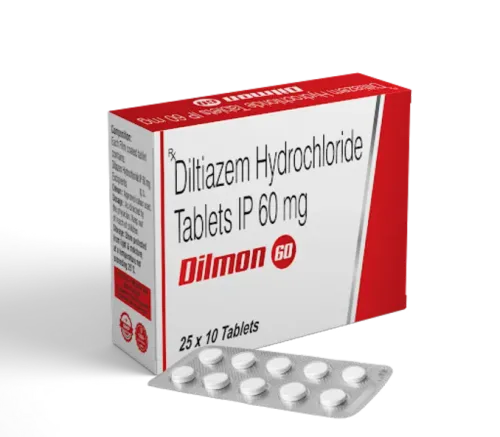
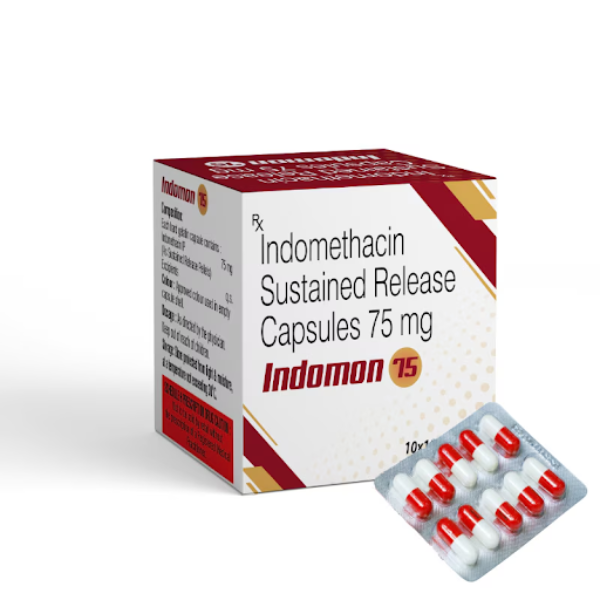
International pharmaceutical business involves more than identifying an overseas buyer and arranging shipment. Product requirements, documentation, destination-market regulations, manufacturing standards, packaging, logistics, and commercial responsibilities must all be evaluated carefully.
Businesses looking for a pharma exporter should therefore assess export readiness across the complete supply chain.
Destination Markets Determine Requirements
Pharmaceutical regulations are not identical across countries.
A product suitable for one market cannot automatically be assumed to meet the requirements of another.
Before beginning an export project, businesses should identify the destination country and investigate the regulatory requirements applicable to the product category.
This should happen before large-scale manufacturing or packaging decisions are finalized.
Documentation Needs Early Planning
Export transactions may involve multiple categories of documentation depending on the destination, product, transaction structure, and applicable rules.
Businesses should identify the required documents early and determine which party will be responsible for obtaining, preparing, reviewing, and maintaining them.
Waiting until products are ready for dispatch can create unnecessary delays.
Packaging May Need Market-Specific Changes
Domestic packaging cannot always be used unchanged for international distribution.
Destination markets may have different requirements concerning labels, product information, language, pack configuration, or other details.
Packaging should therefore be reviewed as part of market-entry planning rather than treated as a final production step.
Manufacturing Capacity Should Match Export Demand
International buyers may require quantities that differ substantially from normal domestic orders.
Before accepting a commercial commitment, businesses should verify production capacity, raw material availability, packaging lead times, quality processes, and realistic dispatch schedules.
Export customers often build their own inventory and distribution plans around agreed supply timelines, making production planning particularly important.
Logistics Requires Product-Specific Thinking
Pharmaceutical shipments may need specific handling and storage conditions depending on the product.
Export planning should consider transit duration, transportation mode, packaging protection, storage requirements, shipment documentation, and handover responsibilities.
The appropriate approach varies by product and destination.
Communication Across the Supply Chain Matters
Export projects can involve manufacturers, brand owners, buyers, freight partners, customs professionals, distributors, and regulatory teams.
Clear responsibilities help prevent misunderstandings.
Companies should establish who is responsible for manufacturing approvals, packaging confirmation, documentation, logistics coordination, and communication with the overseas customer.
Delhi Offers Useful Commercial Connectivity
Delhi and the wider NCR region provide access to extensive logistics, commercial, healthcare, and distribution networks. This can make the region strategically relevant for pharmaceutical businesses developing domestic and international supply relationships.
However, geographical convenience should complement rather than replace regulatory and operational due diligence.
Monique Pharmaceuticals Pvt Ltd operates within the pharmaceutical manufacturing sector and can be evaluated by businesses exploring manufacturing and supply requirements connected with wider market expansion.
Successful pharmaceutical exporting depends on preparation. Businesses should understand the destination market, confirm applicable requirements, align manufacturing and packaging, establish documentation responsibilities, and plan logistics before committing to supply.
A well-prepared export strategy reduces avoidable operational surprises and gives pharmaceutical companies a stronger foundation for developing sustainable international business relationships.
Keywords