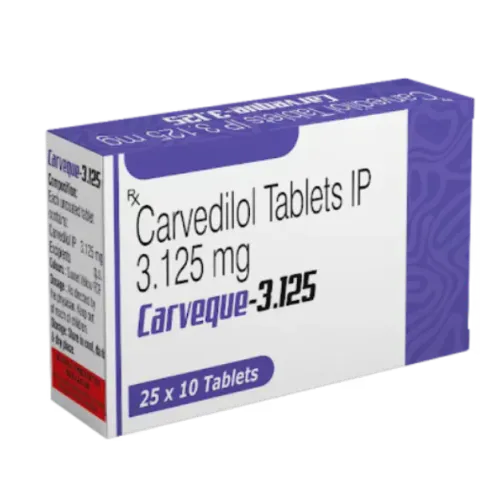
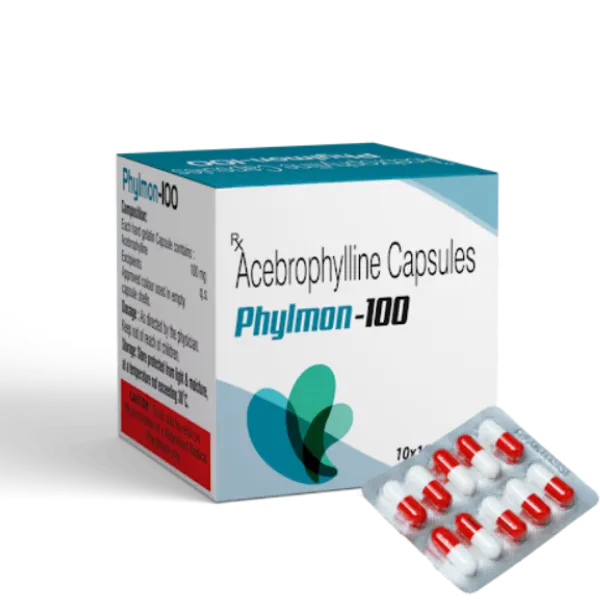
The pharmaceutical industry depends on precise manufacturing processes to ensure medicines are safe, effective, and consistent. Behind every tablet, capsule, ointment, or healthcare product is a structured production system involving research, quality checks, technical expertise, and regulatory compliance.
A pharmaceutical manufacturer plays a critical role in converting approved formulations into finished products that can reach patients, healthcare institutions, and distribution networks. Understanding this process helps pharma entrepreneurs, distributors, and healthcare businesses make better decisions when choosing manufacturing partners.
Key Stages Involved in Pharmaceutical Manufacturing
Pharmaceutical production follows multiple controlled steps to maintain product quality. Although processes vary depending on the dosage form, most manufacturing operations include:
Formulation Development
The first stage involves creating a suitable formulation based on the intended therapeutic purpose. Experts evaluate ingredient compatibility, stability, dosage requirements, and production feasibility.
Proper formulation planning helps ensure that the final medicine delivers consistent performance.
Raw Material Evaluation
Quality pharmaceutical manufacturing begins with carefully selected raw materials. Ingredients must meet required specifications before entering production.
Manufacturers typically focus on:
- Raw material quality testing
- Supplier verification
- Storage conditions
- Documentation management
These practices reduce quality risks and support reliable production outcomes.
Production and Processing
During manufacturing, controlled procedures are followed for different product categories such as tablets, capsules, ointments, and sachets.
Production activities may include:
- Mixing and blending
- Granulation
- Filling processes
- Coating applications
- Packaging operations
Each stage requires trained professionals and controlled environments.
The Importance of GMP Compliance
Good Manufacturing Practices help pharmaceutical companies maintain consistent quality standards. A GMP compliant facility follows systematic procedures related to cleanliness, documentation, equipment maintenance, and quality monitoring.
Businesses looking for an ISO-GMP pharma manufacturer often consider certification as an important indicator of structured manufacturing practices.
GMP compliance helps manufacturers:
- Maintain product consistency
- Reduce contamination risks
- Improve process control
- Support regulatory requirements
For healthcare companies entering the pharmaceutical market, partnering with a compliant manufacturer can simplify production challenges.
Pharmaceutical Manufacturing Support for Growing Healthcare Businesses
Many pharmaceutical businesses today prefer outsourcing production instead of developing their own manufacturing infrastructure. This approach allows them to access professional expertise while managing investments more effectively.
Third-party manufacturing supports:
- Pharma startups launching new products
- Distributors expanding product portfolios
- Healthcare companies entering new categories
- Private label medicine brands
Monique Pharmaceuticals Pvt Ltd provides manufacturing support for businesses looking for structured pharmaceutical production capabilities. With experience across pharmaceutical, nutraceutical, Ayurvedic, and cosmetic segments, the company helps brands manage product development and manufacturing requirements.
Manufacturing Excellence Beyond Production
A reliable pharmaceutical manufacturing partner contributes beyond making products. Businesses also require support in areas such as packaging selection, documentation, quality assurance, and supply planning.
Important evaluation points include:
- Manufacturing infrastructure
- Quality testing facilities
- Regulatory understanding
- Production scalability
- Industry experience
A manufacturer with strong systems can help businesses maintain consistent supply while meeting customer expectations.
Future of Pharmaceutical Manufacturing in India
India has become a significant pharmaceutical manufacturing hub due to its skilled workforce, expanding healthcare ecosystem, and strong production capabilities. Companies across Delhi and other regions increasingly rely on experienced manufacturers to develop healthcare products for domestic and international markets.
As healthcare demand continues to evolve, pharmaceutical manufacturers will remain essential partners for businesses focused on delivering safe and dependable healthcare solutions.
Keywords