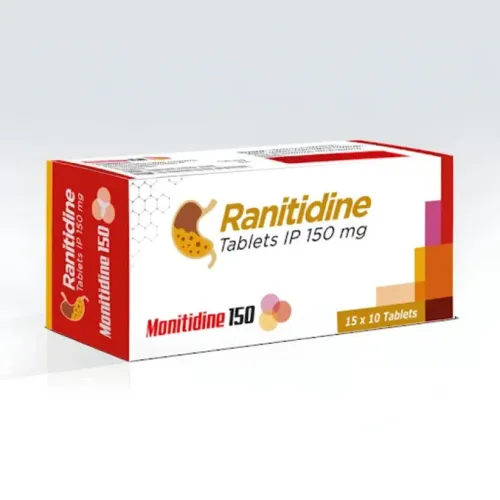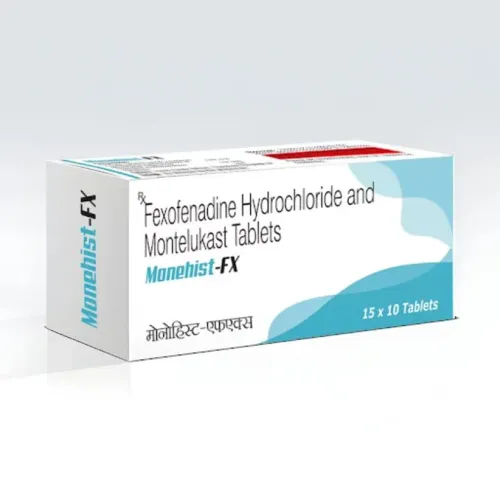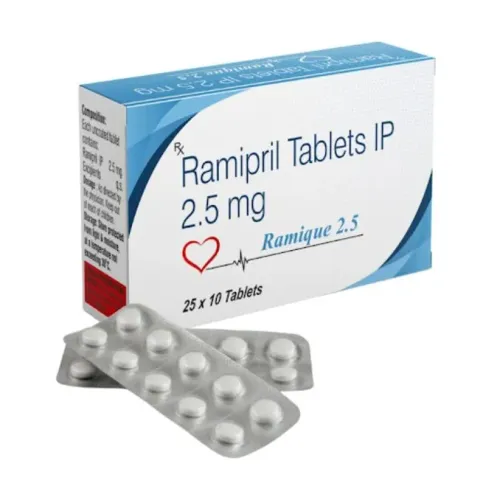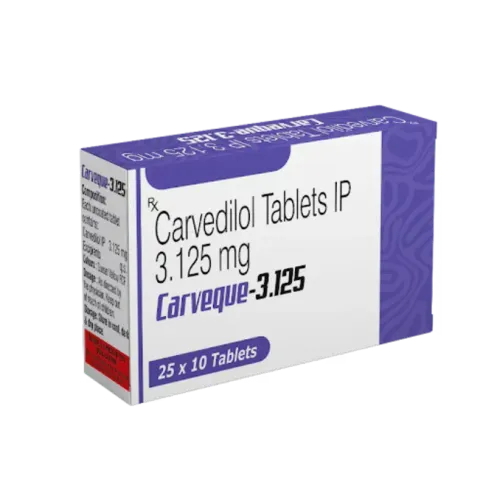
Pharmaceutical businesses rarely remain static. A company may begin with a small number of products and gradually add new dosage forms, pack sizes, formulations, markets, and distribution channels.
Choosing a pharma manufacturer capable of supporting that development can therefore have a meaningful impact on long-term operations.
Start With Your Current Portfolio
Before evaluating manufacturing partners, create a clear list of existing and planned products.
Group them according to dosage form, expected production quantity, packaging type, and launch priority.
This helps determine whether one manufacturing relationship can support multiple requirements or whether specialized production partners may be necessary.
Look at Capacity Beyond Today's Order
A manufacturer may comfortably handle an initial order but struggle when quantities increase.
Businesses should discuss both immediate and projected requirements.
Ask about commercial batch sizes, production scheduling, repeat-order capacity, and how increased demand would be managed.
This is particularly important for pharmaceutical companies in Delhi expanding distribution across NCR, North India, and wider domestic markets.
Assess Portfolio Breadth Carefully
A long product catalogue does not automatically demonstrate capability.
Instead, determine whether the manufacturer has relevant infrastructure and experience for the dosage forms your company actually needs.
For example, businesses may require combinations of tablets, capsules, sachets, ointments, nutraceutical products, or other formats.
Relevant capability should take priority over catalogue size.
Consider New Product Development Requirements
Growth often depends on introducing new products rather than simply increasing quantities of existing ones.
Ask how potential manufacturing partners approach new project discussions, formulation requirements, feasibility assessment, packaging planning, and commercial scaling.
Efficient coordination during development can shorten avoidable delays between product concept and manufacturing readiness.
Examine Supply Reliability
A growing distribution network requires dependable inventory.
Repeated shortages can affect distributor relationships and interrupt market momentum.
Evaluate how the manufacturer approaches production scheduling, material planning, packaging availability, batch timelines, and communication when delays occur.
No manufacturing operation is entirely free from unexpected challenges. What matters is whether those challenges are managed transparently and systematically.
Check Documentation Requirements Early
Expansion can also introduce additional documentation needs, especially when businesses enter new channels or geographic markets.
Discuss required records and supporting documentation before placing orders.
If your company plans eventual export activity, it is useful to consider future market requirements during manufacturing partner selection rather than waiting until expansion begins.
Choose for Operational Compatibility
Monique Pharmaceuticals Pvt Ltd is one company that pharmaceutical businesses can assess when exploring manufacturing support.
The strongest relationship is not necessarily the one offering the broadest promises. It is the one where manufacturing capability, quality expectations, communication, capacity, documentation, and commercial requirements align.
For growing pharmaceutical businesses, manufacturing should enable expansion rather than becoming a bottleneck. Selecting a partner with both present-day suitability and future capacity can make portfolio development considerably easier to manage.
Keywords