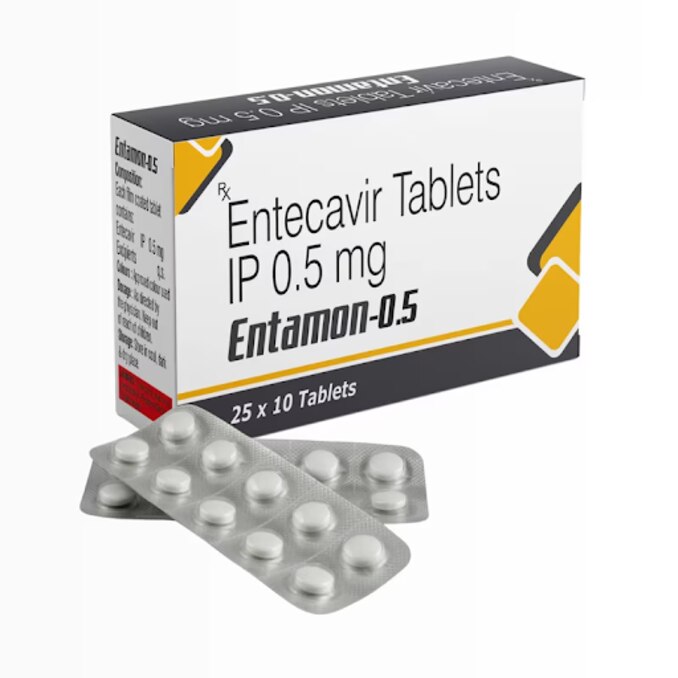
A growing pharma brand needs more than a factory that can produce boxes of tablets. You need to understand who controls the formula, how each batch is approved, what evidence supports the product, and how order size affects cash flow before you commit to production.
Key takeaways
- Provide excipient, filling, dissolution, viscosity, and container-closure specifications.
- Choose between contract manufacturing models before requesting a production quote.
- Compare tooling, testing, packaging, freight, and minimum-order costs—not only unit price.
- Ask for licence copies, laboratory records, batch documents, and release procedures.
From product selection to dispatch: what the manufacturer actually does
Before it can quote, a third-party pharmaceutical manufacturer needs a technically usable product specification. “Same composition” is not enough; excipient grade, filling volume, dissolution profile, viscosity and container-closure requirements can change performance and cost.
The working sequence usually looks like this:
- Formulation selection: the brand chooses a dosage form, strength, pack size and target market, then confirms the approved formula, batch size, process parameters, analytical methods and acceptance criteria.
- API and excipient sourcing: the manufacturer qualifies suppliers, purchases materials, checks incoming identity and quality, and records the lot numbers used in each batch.
- Manufacturing and packaging: production follows the authorised batch record, while filling, labelling and packing use approved artwork and packaging specifications. Printed packs need accurate product name, strength, batch number, manufacturing and expiry dates, licence details, and manufacturer information.
- Quality control and release: QC tests materials, samples in-process and finished products, investigates out-of-specification results, retains samples, and releases or rejects the batch. The manufacturer then prepares the certificate of analysis, batch documents and dispatch records.
At launch, the work may involve one formula, a small batch and a negotiated delivery schedule. As demand rises, the manufacturer plans repeat batches, secures material supply earlier, confirms capacity, manages larger production runs and coordinates more pack sizes without changing approved inputs casually.
A change in supplier, site, process, test method or packaging requires documented change control. The brand still owns decisions on product permission, artwork, complaints, recalls and regulatory submissions; the agreement must assign each responsibility clearly.
Choose the right operating model before you place an order
Your choice determines how much cash, control and operational responsibility the brand carries. Third-party manufacturing is usually the quickest route when you need a branded product without owning premises, equipment or a quality unit.
| Option | Control and setup | Commercial trade-off |
|---|---|---|
| Third-party manufacturing | Select from an existing formula or private-label range; the manufacturer handles production, testing and packing | Lower capital expenditure and shorter launch effort; minimum order quantities and limited formula control |
| Contract manufacturing | Supply an approved formula and specification; the manufacturer makes to your instructions | Greater formulation and packaging control, but you fund development, technical transfer, validation and longer lead times |
| Pharmaceutical wholesaler | Buy finished, already-approved products for resale | Fast availability and no production setup; little control over branding, pack design, composition or supply continuity |
| In-house pharmaceutical plant | Own the site, equipment, plant qualification, technical staff and quality systems | Maximum control and capacity; highest capital expenditure, compliance workload and time before commercial production |
Do not treat third-party manufacturing vs contract manufacturing as interchangeable. Ask whether the supplier is offering a catalogue product or manufacturing to your approved formula, batch size, analytical methods, packaging specification and acceptance criteria. “Same composition” does not prove equivalence when excipient grade, filling volume, dissolution, viscosity or container closure differs.
Choose a wholesaler for immediate resale, third-party production for a controlled launch, contract manufacturing for differentiated products, and an in-house pharmaceutical plant when sustained volume justifies permanent infrastructure. Put minimum order quantities, lead times, change approval and ownership of artwork and specifications in the agreement.
Compare the full production cost, not only the quoted unit price
A low quoted unit price can still produce an expensive launch: the minimum order quantity may leave you paying for months of stock before the first sale. Compare the complete pharmaceutical manufacturing cost per saleable pack, including setup, testing, printed cartons, freight, taxes, promotional spend and financing.
| Factor | Smaller order | Larger order |
|---|---|---|
| Minimum order quantity | Less cash tied up, but setup and line-clearance costs spread across fewer packs | Lower cost per pack, with more stock to fund |
| Extra charges | Artwork changes, tooling, testing, transport or expedited work can raise the invoice | Volume may reduce setup cost, but storage and handling continue |
| Inventory exposure | Fewer units and less expiry risk | More units, longer holding period and higher expiry risk |
| Production timeline | A slot may be harder to secure, especially for a small batch | Planned campaigns can improve scheduling, but delay affects a larger shipment |
Ask for a written cost sheet that separates conversion charges from API, excipients, packaging, quality-control testing, batch release, warehousing and dispatch. Check whether the minimum order quantity is driven by validated batch size, equipment load, printed-component minimums or leftover packaging; stock cartons can lower cash outlay but limit differentiation.
The production sequence also changes the decision. Forecast demand, approve artwork and permissions, procure materials, manufacture, test, release and dispatch in that order. A late artwork approval or failed test extends the production timeline, while manufacturing too early increases cash flow and expiry risk.
If the product is price-controlled under DPCO or NPPA rules, compare the allowable selling price and trade margins with taxes, freight and promotion before accepting the quote.
Check the licence, laboratory, records, and release controls
Request evidence before you approve a first batch; a polished production area alone proves little.
1. Check the current manufacturing licence and product permission for the exact dosage form, strength, pack size and site. Ask for GMP evidence, including the latest inspection report or certificate and any open regulatory observations with corrective-action status.
2. Audit the quality-control laboratory. Confirm that it has calibrated instruments, approved analytical methods, stability capability, microbiological and environmental controls where relevant, and a written out-of-specification investigation procedure. Identify every subcontracted test laboratory.
3. Request the approved master formula, material specifications, packaging artwork, process parameters, acceptance criteria and executed batch records. The records must trace each active ingredient, excipient, packaging component, operator, equipment and test result to its batch.
4. Examine deviation, CAPA, complaint and change-control records. Check data-integrity safeguards, electronic audit trails, retained samples and the physical or electronic segregation of your materials and records from other customers’ products.
5. Confirm that an independent quality unit can approve or reject starting materials, packaging, intermediates and finished batches. Ask to see a redacted batch-release package containing the certificate of analysis, test results, deviations and release approval; do not rely on the certificate alone.
6. Test recall readiness before production. Trace a mock batch from finished stock to raw materials and distributors, and record who contacts regulators, funds retrieval and destruction, and verifies recall effectiveness.
Check that printed labels match the approved product information and show the batch number, manufacturing and expiry dates, licence details, and manufacturer’s name and address.
Put regulatory responsibility and future changes in writing
A low conversion price does not transfer regulatory accountability. The brand owner and manufacturer should sign a quality agreement and a technical agreement before the first batch, with the brand retaining responsibility for product permissions, approved artwork, pharmacovigilance and regulatory submissions.
State Licensing Authorities oversee ordinary finished-drug manufacturing; CDSCO also applies to new drugs and products covered by central rules.
Use the agreements to assign each decision in writing:
- Quality: the manufacturer controls production, testing, deviations, batch records and QC release; the brand reviews release evidence and approves suppliers or specifications.
- Complaints: name the intake owner, investigation lead, response deadline and adverse-event escalation route.
- Recalls: define who decides, contacts regulators and distributors, pays retrieval and destruction costs, and verifies effectiveness. Test recall readiness by tracing a batch from raw materials through customers.
- Changes: require written change control for API or excipient suppliers, site, process, test method, packaging or sterilisation. No unilateral substitution should be allowed because it can affect validation, stability data and permissions.
- Growth: require a new product review covering licence status, artwork, stability, minimum batch size, validation and pharmacovigilance before adding an SKU.
A brand using Monique Pharmaceuticals Pvt Ltd can apply this framework to every product, rather than assuming one master agreement covers future formulations or pack changes. Keep current responsibility matrices, approved specifications, contact names and escalation times with the controlled records.
Frequently asked questions
What information does a third-party pharmaceutical manufacturer need before quoting?
Provide a usable product specification covering composition, excipient grade, filling volume, dissolution profile, viscosity, and container-closure requirements.
How should you compare pharmaceutical manufacturing costs?
Compare the full production cost, including tooling, testing, packaging, freight, minimum-order quantities, and other charges alongside the quoted unit price.
Which documents and controls should you check before placing an order?
Check the manufacturer’s licence copy, laboratory capabilities, batch records, testing documents, and finished-product release controls.
Who handles regulatory changes in a third-party manufacturing arrangement?
Put responsibility for regulatory submissions, product changes, documentation updates, approvals, and future compliance work into the written agreement.